Baltimore Bridge Collapse And 6 Unanswered Questions

With the $60 million dollar repair, salvage and cleanup underway, there are still many unanswered questions regarding the Baltimore Bridge Collapse that shocked the nation last Tuesday. The NTSB, National Transportation Safety Board is on the scene and has started it’s massive collection of data to take back to it’s offices and labs. It’s job is to uncover why this happened, and how it can be prevented happening again.
Baltimore Bridge Collapse: Accident or Attack?
As of today there have been no reports or evidence support anything other than engine and systems failure that caused this accident. But with this bridge and port being responsible for more than $80 million dollars of goods shipped through each year, the pressure is on for real answers on why this bizzare event happened. With the preliminary NTSB press conferences sharing early data, there are some unanswered questions that must be answered.
Why Hasn’t A Pilot Been Named?
It’s been almost four days, and we have heard nothing about the pilots of the Singaporean-flagged cargo ship named the Dali. Where are they from, what is their experience? According to APnews.com:
The highly specialized role — in which a pilot temporarily takes control of a ship from its regular captain — is coming under the spotlight this week.Two pilots were at the helm of the cargo ship Dali about 1:25 a.m. Tuesday when it lost power and, minutes later, crashed into a pillar of the Francis Scott Key Bridge, causing the bridge to collapse.
Why Is There 2 Minutes of Missing Black Box Audio?
NTSB Chair Jennifer Homendy noted the ship’s VDR is a basic system compared to an aircraft’s black box, providing only a “snapshot of the major systems on a vessel.” She said the agency has long wanted more information to be recorded.
Ok, why only a “snapshot of the MAJOR systems on the vessel?”
The ship’s “black box” has the same job as a jet’s black box: to record ALL data, voice communication, and also monitor all of the ships engineering sensors. It records the engineering and electronic non-human brains of the ships activities. According to a Fox News video, a representive from NTSB reported that 2 minutes of “black box sensor data is missing.” As ship alarms went off, two minutes of sensor data was not recorded, but audio recording remained, due to reduntant power backup. One would ask, why didn’t the redundant power backup the sensor recording as it did backup the human voice recording?
Is the Ship Computer Susceptible to Being Hacked?
There is no proof of this at this time that anything was hacked. But if you Google any form of this question, they will remind you that you’re nuts for asking. Former 60 Minutes reporter Lara Logan get’s called that alot. But that is not stopping her from asking the tough questions, like the next one.
Doesn’t The Ship Have A Backup Engine?
According to this ships captain, his ship has a backup engine that automatically kicks in when the main engine fails. Logan shared this video on her X account. Add to that, the cargo on that ship carries millions and millions of dollars of goods. The cargo company must insure the goods. What insurance company would insure a ship company that has no backup systems?
Could Tugboats have diverted the Baltimore Bridge collapse?
According to USAtoday.com: Tugboats did navigate the Dali from the port, as it moved to the open sea. But they broke away before the massive ship navigated under the bridge, as is common practice. Minutes later, the Dali appeared to lose power and propulsion, sending the craft adrift and directly into one of the bridge’s support columns. The steel-truss Baltimore bridge immediately collapsed into the frigid Patapsco River.
Who Will Pay For This?
The U.S. government immediately announced that it will pay the millions in damage. Reporter Sharyl Attkisson asked a very smart question: isn’t the shipping company responsible for this Baltimore Bridge damage?
Top Mistakes That Can Get You Hacked
Reusing Passwords
Many of us are still using the same password across many different accounts. While it’s pretty common, it’s not a good habit to have. If you’re reusing passwords for multiple websites and accounts, a hacker could potentially use that password to log into those accounts. Nobody wants to have to remember a 16-digit password for every single one of their accounts, especially when getting locked out of a computer or platform at the most inconvenient time. But if a security breach were to happen, that’s one less problem to worry about. Like, remembering which accounts are at risk of a threat.
Thanakorn Lappattaranan/ Getty Images
Oversharing On Social Media
Personal data exposure is really a thing. When you share personal information on social media, you expose yourself to the risk of identity theft and fraud. According to the New York Institute of Technology, Cybercriminals can use the information you share, such as your full name, date of birth, and location, to impersonate you or launch targeted attacks. Most people know that sharing sensitive information such as your car information, address, work history, or phone numbers can make you vulnerable. But some people forget that this information can also be identified through pictures and innocent as sharing your new car photo or your child’s first day of school photo.
Suchat longthara/ Getty Images
Using Unsecure Wi-Fi
Hackers can use unsecured Wi-Fi connections to distribute malware. If you allow file-sharing across a network, the hacker can easily plant infected software on your computer. Free public Wi-Fi is available almost everywhere at places like restaurants, hotels, airports, bookstores, and even retail outlets. But public wi-fi comes with risks. “Hackers can also use an unsecured Wi-Fi connection to distribute malware. If you allow file-sharing across a network, the hacker can easily plant infected software on your computer,” said Kaspersky, a tech company. Some people highly recommended looking into a VPN to encrypt internet traffic and keep your data hidden.
Jens Domschky/ Getty Images
Clicking Suspicious Links
Clicking on a suspicious link or phishing link can sometimes set off a malware download that often contains malicious files. According to Aura, a credit monitoring platform, these links are capable of collecting information stored on your device. Hackers can steal credit card numbers, bank account numbers, usernames and passwords, and other personal information. If you’ve clicked on a phishing link, Cyber Tec Security suggest completely disconnecting from the internet.
DragonImages/ Getty Images
Out-Of-Date Software
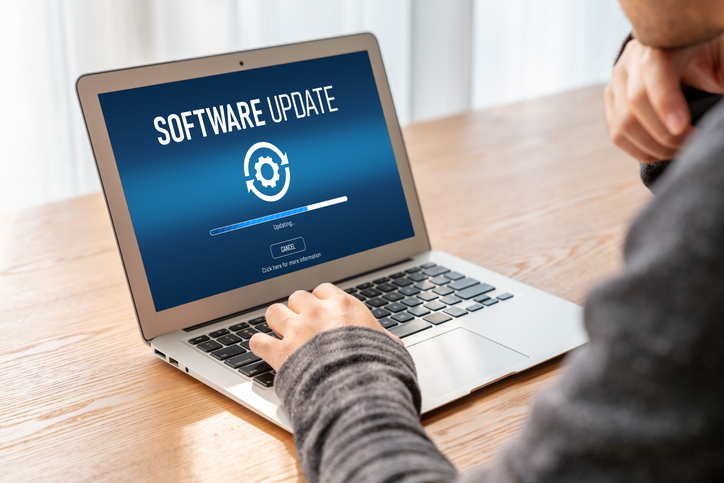
The last thing many of us want to do is update our software. But there are many reasons why it’s important to do so. Software updates not only fix and improve problems with your software it also helps you avoid hackers. According to the University of Idaho, software updates often include patches that fix vulnerabilities or bugs that hackers can exploit to access your system or data. “By installing the latest updates, you can reduce the risk of cyberattacks and protect your personal and business information,” they said.
Ralf Hahn/ Getty ImagesNot Using Multi-Factor Authentication
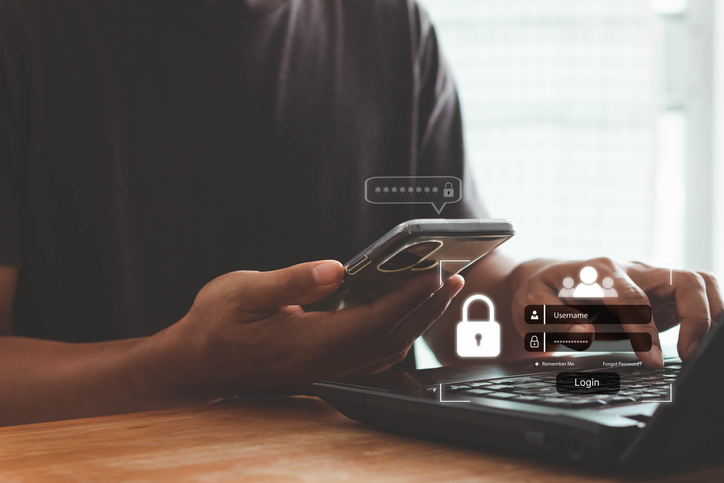
One of the most effective things you can do to protect your online accounts is turning on multi-factor, or two-factor, authentication for as many of your accounts as possible. This method often uses a piece of information such as a code generated by an app or sent to your phone alongside a password. Two-factor authentication adds an additional layer of security to the authentication process. According to Tech Target, using multi-factor authentication makes it harder for attackers to gain access to a person’s devices or online accounts. Most companies have this in place for their employers but it’s something you can use for personal emails too.
tsingha25/Getty Images
