3 Body Parts You Really Need To Wash More Often

Wash Your Body!
Three Body Parts You Need To Wash More Often
Well, this is gross.
Apparently, people don’t know how to wash their bodies.
And our baffling inability to properly bathe is pretty nasty. It’s like we’re all participating in some obscure, exclusive competition to see who can miss the most essential spots.
Washing your body might seem like an everyday, mundane task, but it’s far more important than you might think. The act of cleansing your skin not only refreshes your body but also contributes to your overall health and well-being.
First and foremost, proper body hygiene helps prevent the buildup of dirt, sweat, and bacteria on your skin. Throughout the day, our bodies encounter countless contaminants and germs, which can lead to skin issues, such as acne or skin infections. A good scrubbing routine can help eliminate these culprits and maintain healthy skin.
Plus, washing your body plays a vital role in odor control.
When we sweat, the bacteria on our skin feed on the sweat, producing those not-so-pleasant scents. Regular washing removes this bacteria, reducing body odor and helping you feel fresh and confident.
Healthy skin also relies on effective cleansing.
Proper washing removes dead skin cells, preventing clogged pores, acne, and other skin problems. It allows your skin to breathe and rejuvenate itself, resulting in a healthier and more radiant appearance.
A clean body aids in the prevention of more serious health issues. By washing, you reduce the risk of skin infections, fungal growth, and the spread of contagious diseases. This basic personal hygiene practice is a crucial defense against illness.
Equally important is the psychological aspect.
A refreshing shower or bath can be a mood lifter, reducing stress and promoting relaxation. It provides a moment of self-care and personal space in an increasingly busy world.
Knowing how to wash your body isn’t just about vanity or cleanliness; it’s about health and well-being. So, next time you step into the shower or bath, remember that you’re doing much more than removing dirt – you’re actively taking care of your physical and mental health. A little soap, water, and your own two hands can make a world of difference.
According to Lindsey Zubritsky, MD, a board-certified dermatologist specializing in general medical dermatology, surgical dermatology, cosmetics, and pediatric dermatology, some of us are missing spots. And it’s not good.
What are they? Check this out:
https://www.tiktok.com/@dermguru/video/7285844561232973099?
These 13 Household Items Contain Smells That Are Harmful To Your Health
In our modern society, smells are everywhere, but they are harmful to our health. They cover our bodies, our homes, and our daily routines. From perfumes and colognes to scented candles and air fresheners, we often associate pleasant smells with a sense of well-being. However, what many of us fail to realize is that behind these enticing scents lie a multitude of potential health hazards. Fragrances.
Why These Smells Are Harmful
Most commercial fragrances, whether found in personal care products, cleaning agents, or household items, are composed of synthetic chemicals. These chemicals are often undisclosed or labeled vaguely as “fragrance” or “parfum.” This lack of transparency makes it difficult for consumers to make informed choices about the products they use and the potential risks associated with them- like these things!

Many celebrities have released their own perfumes. If they only were aware how harmful “fragrances” were to the people purchasing them
Respiratory Issues
One of the primary concerns associated with fragrances is their impact on respiratory health. Synthetic fragrances emit volatile organic compounds (VOCs) into the air, which can be inhaled and irritate the respiratory system. These VOCs include formaldehyde, benzene, toluene, and other hazardous chemicals known to cause respiratory problems such as asthma, allergies, and even chronic obstructive pulmonary disease (COPD). Some of those products include:
- Gasoline, fuels, solvents, paints, stains, strippers, finishes, pesticides, personal care products, aerosol sprays, cleaners and room deodorizers.

Skin Irritation and Sensitization
Fragrances can also wreak havoc on our skin. Many people experience skin irritation, redness, itching, and rashes when exposed to synthetic fragrances. These reactions are particularly common in people with sensitive skin or pre-existing conditions like eczema. Prolonged exposure to fragrances may lead to sensitization, whereby the immune system becomes hypersensitive to certain chemicals, resulting in allergic reactions upon subsequent exposures.
Hormonal Disruption
Unbeknownst to many, certain chemicals used in fragrances have been linked to endocrine disruption. Phthalates, for example, are commonly used as solvents in fragrances and have been associated with hormonal imbalances. They may interfere with reproductive functions, disrupt the normal development of the endocrine system, and even contribute to fertility problems.

Neurological Effects
Studies have shown that some fragrance chemicals, such as synthetic musks, may have neurotoxic effects. These substances have been found to accumulate in the body over time and have the potential to disrupt the normal functioning of the nervous system. Exposure to such chemicals has been associated with headaches, migraines, dizziness, and even cognitive impairment.

Environmental Impact
The detrimental effects of fragrances are not limited to human health alone. When we wash away personal care products containing synthetic fragrances or spray air fresheners in our homes, these chemicals eventually find their way into the environment. Fragrance compounds, along with other pollutants, can contaminate air, water sources, and soil, leading to ecological imbalances and potentially harming wildlife and ecosystems.
We Should Avoid Fragrances At All Costs
While we may enjoy the pleasant scents that fragrances provide, it is crucial to be aware of the potential health risks they pose. The synthetic chemicals used in many commercial fragrances can have far-reaching consequences for our respiratory system, skin, hormones, and even neurological well-being. To protect our health and that of the environment, it is advisable to opt for fragrance-free or naturally scented products. Reading labels, seeking out eco-friendly alternatives, and advocating for greater transparency in labeling practices can empower us to make informed choices and promote safer, healthier living.
Remember, the sweet smell of health is far more valuable than any artificial fragrance that comes at a hidden cost.
Here Are Some Products to Avoid So You Can Live A Healthier Lifestyle
Watch Out For Personal Care Products
Fragrances are prevalent in personal care items such as perfumes, colognes, deodorants, body lotions, shampoos, conditioners, soaps, and shower gels. These products often contain synthetic fragrances that can lead to skin irritation, respiratory issues, and hormonal disruption.

(Photo by Theo Wargo/Getty Images for Armani beauty)

(Photo by Emma McIntyre/Getty Images for Secret Deodorant)

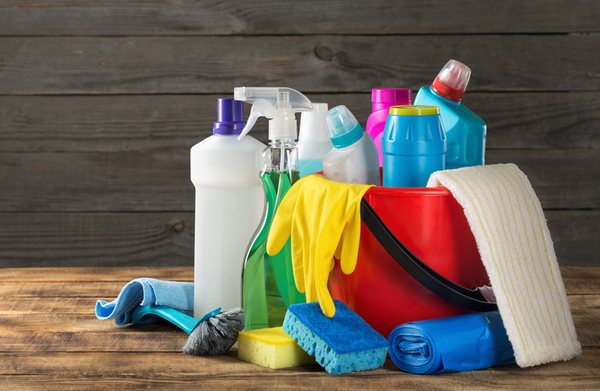
Avoid Cleaning Products
Many household cleaning agents, including all-purpose cleaners, laundry detergents, fabric softeners, and dishwashing liquids, are scented with fragrances. These fragrances can release VOCs into the air, which can irritate the respiratory system and contribute to indoor air pollution.


Air Fresheners
Air fresheners, including aerosol sprays, plug-in diffusers, and scented candles, are popular for masking unpleasant odors. However, these products often contain synthetic fragrances that emit VOCs and can contribute to respiratory problems, allergies, and even trigger asthma attacks.


Cosmetics and Makeup
Fragrances are commonly found in cosmetics, including foundations, powders, blushes, eyeshadows, lipsticks, and perfumed makeup products. These fragrances can cause skin irritation, particularly in individuals with sensitive skin or skin conditions like eczema.

Household Products
Fragranced household items, such as furniture polishes, carpet cleaners, fabric sprays, and scented oils, can introduce potentially harmful fragrances into your living environment. Similar to cleaning products, these items can release VOCs that affect indoor air quality and respiratory health.